Lights, Camera, Action
September 30th, 2022
https://bodminmediaas.blogspot.com/
L/O: to understand and practice using the principles of film making
shot typeestablishing shot
- used at the beginning
- often used as transition between scenes
- Crucial introduction shot
mastershot
- confirms location
- tells us which characters are in the scene, and where
- often used for longer scenes
- often a wide shot
- often main scene
wide shot
- scale of the subjects
- lost, lonely overwhelmed
long shot/ full shot
- head to toe
- subjects physicality
medium long
- head to waist
- often used for cowboys/gun shots
- confident, dangerous
mid shot
- used the most
- above the waist, under the chest, end over the head
- digging into a subjects eyes
medium close up shot
- head to chest
close up
- eye level
- Character thoughts and feelings
- empathy
extreme close up shot
- specific area
- insert shot (highlights importance)
framing
single
- clean or dirty
- one character in the frame
- primary focus
- clean = no other character around
- dirty = other character is around but not fully seen
two shots
-both faces clearly visible
- visual realism
crowd shot
-
over the shoulder
- focusing at one character at time
- watcher is excluded
point of view
- often paired with pov audio
insertshot
- details
- very important
- can be combined with pov
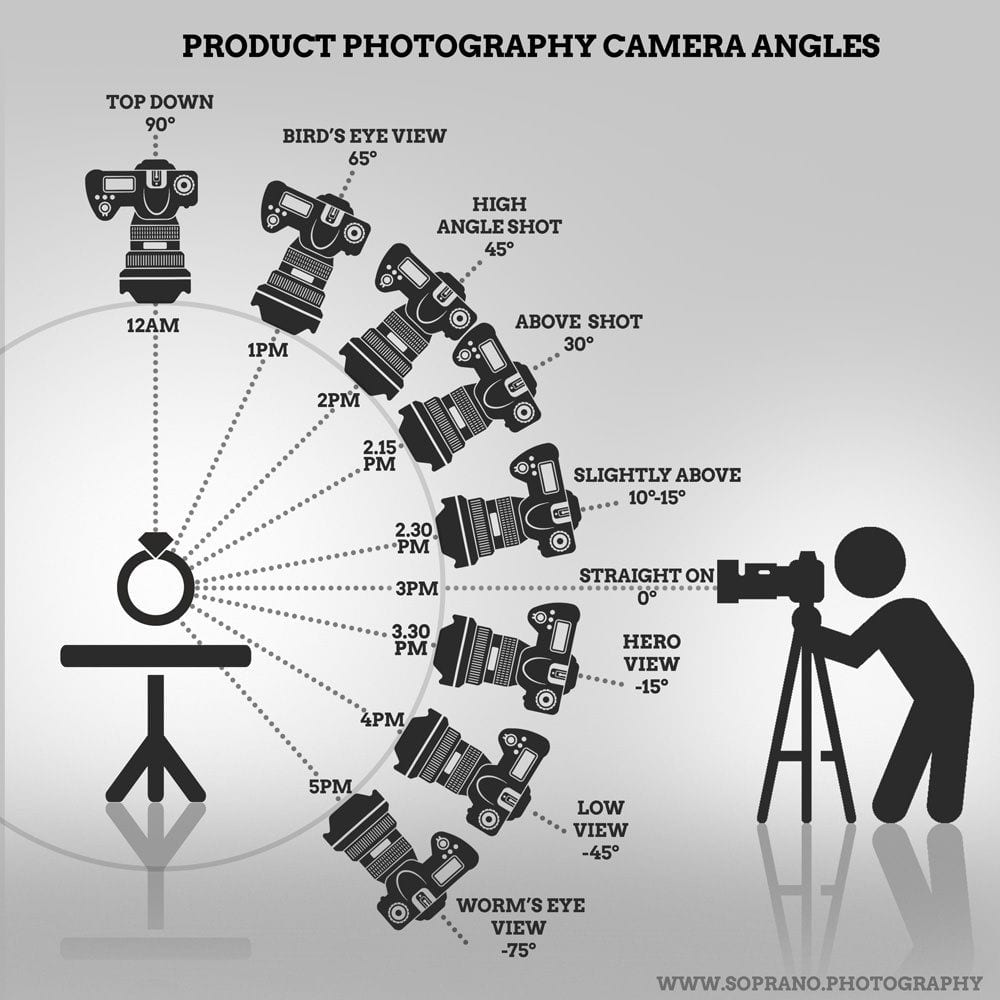
camera angle
low angle
low angle
- below eyeline
- subject looks more powerful
High angle
- beats characters down
- often combined with low angles
- aerial shot
Overhead shot/ birds eye view
- complex movements
dutch angle
- to magnify tension
eye level shot
- eye level
- most commonly used
shoulder level shot
- often used in conversations
- high difference
- affectionate glance
Hip level
- focus on hips
knee level shot
- on knee high
Ground level shot
- on the ground
- stylish way to follow a characters movement
- show surroundings details
camera movement
static
- no camera movement
- great for dialog
pan
- Camera moves horizontally
- can be used as pov
tilt
- can reveal information
push in
- camera moves in
- not a zoom
pull out
- disconnect from the characters
- can show isolation/abandonment
zoom
- camera doesn't move
crash zoom
- fast zoom in that slows down at the end
- dramatic effect
tracking shot
- move with a subject
- "where is this character going?"
- can be used to build tension
October 5th, 2022
Basic rules:
Composition rules:
Law of thirds
- split screen (grid - 9)
- points of interest on crossing parts

Head room:
- space above the head

Looking room:
- leaving space to the direction a person is looking at

eye level:
- at the eye level of the filmed person

180 degree rule:
The 180 rule is a filmmaking technique that helps the audience keep track of where your characters are in a scene . When you have two people or two groups facing each other in the same shot, you have to establish a 180-degree angle, or a straight line, between them.

scene link (Good Omens, s1| e6)
Excellent notes Maria
ReplyDelete